
Call us now
07313726200
Fire Alarm System
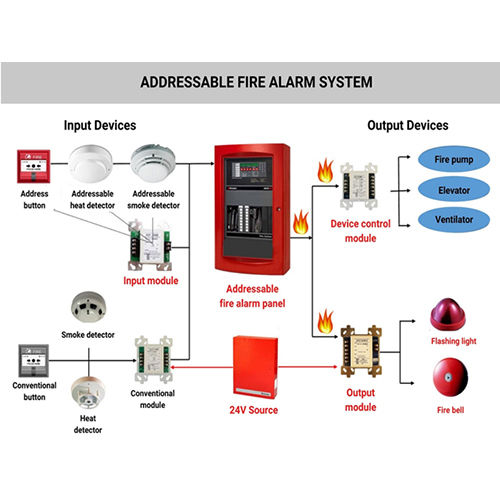

Fire Alarm System Specification
- Feature
- Automatic Detection and Alarm
- Power Factor
- 0.95
- Insulation Material
- PVC
- Overheating Protection
- YES
- IP Rating
- IP54
- Operating Temperature
- -10C to 55C
- Mounting Type
- Wall Mounted
- Connector Type
- Screw Terminal
- Humidity %
- 95% RH
- Shape
- Rectangular
- Surface Finish
- Powder Coated
- Efficiency
- High
- Product Type
- Fire Alarm System
- Application
- Industrial
- Protection Level
- IP54
- Frequency (MHz)
- 50 Hertz (HZ)
- Rated Voltage
- 220-440 Volt (V)
- Energy Consumption
- Low Power Consumption
- Output Type
- Audio/Visual
- Color
- Red and White
- Dimension (L*W*H)
- 300 x 250 x 100 mm
- Weight
- 2-5 kg
- Warranty
- 1 Year
- Phase
- Single Phase
- Input Voltage
- 220-240V AC
- Size
- Standard
- Material
- ABS Plastic/Metal
- Connection Type
- Wired
- No Of Poles
- 2
- Sound Level
- >85 dB
- Display Type
- LED Indicator
- Cable Entry
- Top/Bottom Entry
- Heat Detector Included
- Optional
- Smoke Detector Included
- Yes
- Response Time
- <10 seconds
- Number of Zones
- 4
- Alarm Type
- Buzzer/Bell
- Battery Backup
- Up to 3 hours
- System Type
- Conventional
Fire Alarm System Trade Information
- Minimum Order Quantity
- 1 Piece
- Supply Ability
- 100 Pieces Per Month
- Delivery Time
- 7 Days
About Fire Alarm System
A fire alarm system is a network of devices that automatically detects and warns occupants of a fire through visual and audible alarms. These systems act as a first line of defense, with the main components including sensors to detect fire signs, a control panel to process signals, and notification appliances to alert people. They are designed to provide early warning, which is crucial for prompt evacuation, and are mandatory in most commercial buildingsComprehensive Industrial Fire Safety
This conventional fire alarm system is built specifically for industrial use, providing automatic detection and immediate alarm output. It covers up to four zones and offers both audio and visual alerts through loud alarms and LED indicators. With robust overheating protection and high operational efficiency, the system is dependable in demanding environments.
Easy Installation and Maintenance
The system's modular design features standard dimensions, wall-mounting compatibility, and top/bottom cable entries for streamlined setup. Screw terminal connectors and PVC insulation ensure secure wiring, making installation straightforward for service providers and technicians. Its durable ABS plastic/metal construction and powder-coated surface provide corrosion resistance.
High Reliability and User Benefits
Offering up to three hours of battery backup and operation at high humidity, this alarm system maintains its efficiency even during power outages. The clear indicators and alarms help personnel quickly identify and respond to fire hazards, minimizing downtime and improving overall workplace safety.
FAQ's of Fire Alarm System:
Q: How does the fire alarm system detect and alert in case of a fire?
A: The system uses smoke detectors (included) and optional heat detectors to sense fire activity. Upon detection, it delivers an alarm via a loud buzzer or bell with a sound level exceeding 85 dB, while LED indicators provide immediate visual alerts for quick recognition and response.Q: What are the installation requirements for this fire alarm system?
A: This system is designed for wall mounting and supports both top and bottom cable entries for flexible wiring. The connectors are screw terminals, and it requires a 220-240V AC single-phase power supply. Its IP54 rating and wide operating temperature range suit most industrial settings.Q: When should the battery backup be checked or replaced?
A: The system's battery backup provides up to three hours of operation in case of a power failure. It's advisable to test the battery function periodically (at least every six months) and replace batteries every 1-2 years or if the backup does not last the full duration.Q: Where is this fire alarm system most effective?
A: This conventional fire alarm system is best suited for industrial facilities, warehouses, factories, and large commercial spaces in India, thanks to its four-zone coverage, durable construction, and high humidity tolerance.Q: What is the process for adding or configuring optional heat detectors?
A: Optional heat detectors can be integrated into any of the four zones during installation or at a later stage. Easily connect them using the provided screw terminal connectors, ensuring alignment with zone wiring and adherence to safety guidelines.Q: How does the system benefit industrial users?
A: Industrial users benefit from early fire detection, rapid response (under 10 seconds), reliable performance in harsh environments, low power consumption, and the assurance of a one-year warranty for added peace of mind.Q: What ongoing maintenance does the system require?
A: Routine maintenance includes regular testing of alarms and indicators, battery function checks, inspection of detectors, and ensuring all cable connections are secure. The sturdy exterior and powder coating reduce the need for frequent external maintenance.Price 25000.0 INR/ Unit
- Minimum Order Quantity
- 1 Piece
- Supply Ability
- 100 Pieces Per Month
- Delivery Time
- 7 Days
 Get Latest Price
Tell us about your requirement

Price:
Quantity
Select Unit
- 50
- 100
- 200
- 250
- 500
- 1000+
Additional detail
Mobile number
Email

More Products in Low Voltage Infrastructure Category
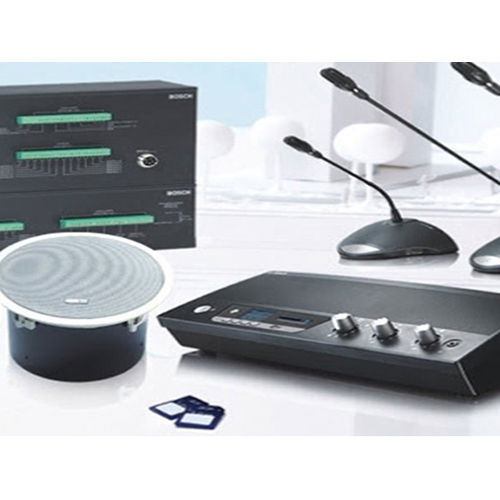
Public Addressing System
Minimum Order Quantity : 1 Unit
Output Type : Mono Output
Insulation Material : PVC & Rubber
Weight : 12 kg
Protection Level : Other, Overload and Short Circuit Protection
Color : Black and Silver

Networking and IT infra
Minimum Order Quantity : 1 Unit
Output Type : Multiple Ethernet Outputs
Insulation Material : PVC Insulated
Weight : 7.5 kg
Protection Level : Other, Surge Protection, Overcurrent Protection
Color : Black/Grey
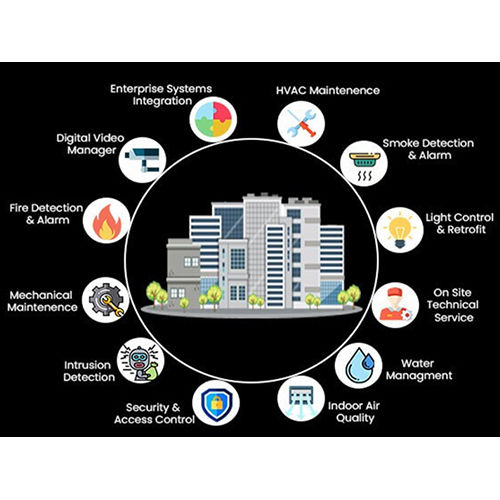
Building Management system
Minimum Order Quantity : 1 Unit
Output Type : Digital/Analog
Insulation Material : Polycarbonate
Weight : 47 Kilograms
Protection Level : IP54
Color : Grey

We accept only bulk quantity orders.
INDOSOFT TECHNOLOGY
GST : 09CAUPD8264R1ZJ
GST : 09CAUPD8264R1ZJ
B No. C-448, Sec. 10,Noida - 201301, Uttar Pradesh, India
Phone :07313726200

 Send Inquiry
 Send Inquiry
 Send SMS
INDOSOFT TECHNOLOGY
All Rights Reserved.(Terms of Use)
Developed and Managed by Infocom Network Private Limited.
Developed and Managed by Infocom Network Private Limited.

